Mike Gill
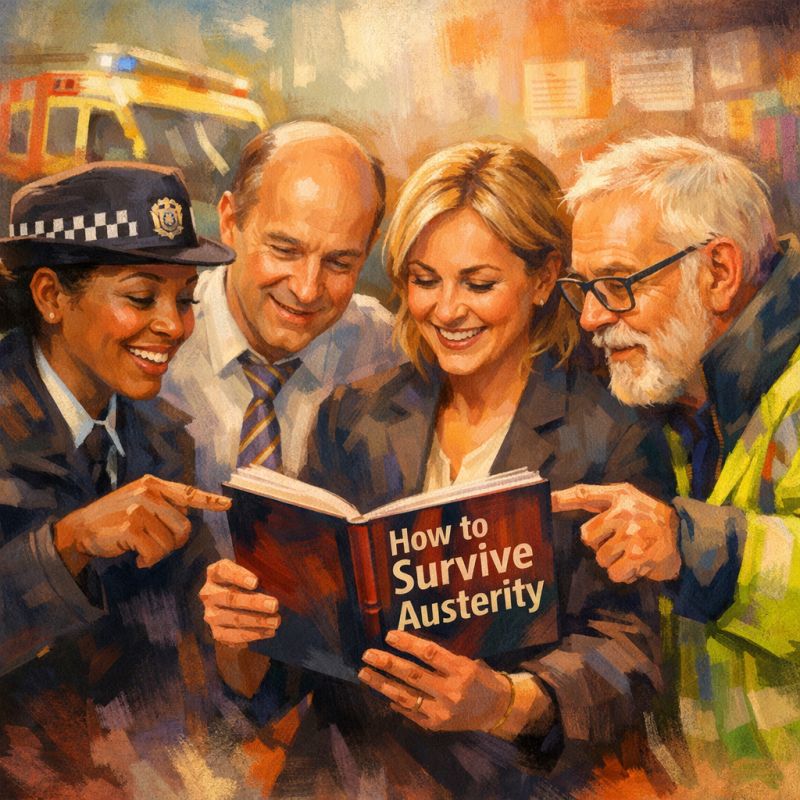
In 2016 I wrote a book called How to Survive Austerity. What briefly outsold political memoirs in 2016 now reads like a manual for 2025. This series updates How to Survive Austerity for neighbourhood health, integrated care and system-wide transformation.
On the surface, the book was about managing cuts. In reality, it was about survival and influence in what I described as the “new public sector”, a system demanding clarity, evidence and sharper value propositions.
The central argument was simple. Survival is not about working harder and hoping for the best. It is about explaining your service so clearly and compellingly that decision-makers understand what you do, what it costs and why it matters.That challenge has not disappeared it has intensified.
Why does a book written in the teeth of post-2008 austerity still resonate with NHS and local government leaders today?
How to Survive Austerity was written as a field guide for public sector managers who felt the ground shifting beneath their feet. Published in the aftermath of the financial crisis, it briefly reached number one on Amazon in its category, at one point sitting ahead of Tony Blair, Boris Johnson and Henry Kissinger (honest, really). It seems practical advice on surviving budget cuts struck a nerve.
Over the coming weeks, At Scale will revisit and update the book’s core framework for leaders navigating today’s wave of transformation: neighbourhood health, integrated care and the relentless pressure to do more with less.
Watch out for more detail and do follow me to make sure you get to see that. And if the issues I raise resonate, perhaps it is time for a different conversation. Message me on LinkedIn, email mike.gill@atscale.co.uk, or visit www.atscale.co.uk to see how we support clients working at scale where you can download the series on PDF.