One of the things I find myself reflecting on when talking to practices, PCNs and federations is how often conversations about the future focus on structures rather than capability. We talk about neighbourhood providers, integrated models of care, future contracts and organisational arrangements, all of which matter. Yet underneath those discussions sits a simpler question: as the system moves towards greater collaboration and larger delivery footprints, are organisations becoming easier to lead, manage and work with?
Technology won’t save you so this question matters because most primary care organisations are already operating under significant pressure. Workforce shortages, financial constraints, rising demand and increasing expectations leave little time for organisational development. When resources are stretched, investing in systems, processes and operational maturity can feel less urgent than delivering today’s services.
The challenge is that organisational capability rarely appears when it is suddenly needed. It is built gradually through better governance, clearer accountability, stronger workforce intelligence, improved visibility of performance and more effective communication. None of these things make headlines, but together they create organisations that are more resilient, scalable and trusted.
This is where technology becomes relevant, although perhaps not in the way it is often presented. Technology is frequently marketed as the answer to organisational challenges when, in reality, it is usually an enabler of wider change. Most of us have seen new systems introduced with great enthusiasm only for old habits to continue underneath. Equally, we have seen organisations use similar tools to transform the way they work. The difference is rarely the technology itself. The difference is whether there is a clear vision of what the organisation is trying to become and how technology supports that ambition.
Some organisations have grasped this earlier than others. Rather than asking what software they should buy, they are asking what capabilities they need to develop. They are examining whether leaders have access to meaningful information, whether governance is fit for purpose, whether workforce data supports decision-making and whether staff can collaborate effectively across organisational boundaries.
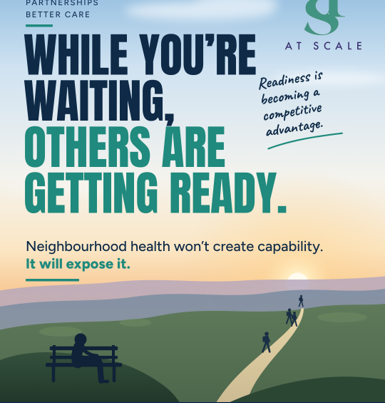
That distinction feels increasingly important because future neighbourhood models are likely to expose differences in organisational maturity that are easy to overlook today. Whatever neighbourhood health ultimately becomes, organisations will need to coordinate across teams, manage risk through partnerships, demonstrate outcomes and inspire confidence among commissioners and stakeholders.
This is where a subtle form of jeopardy emerges. The risk is not that technology suddenly changes the landscape overnight. The risk is that some organisations spend the next few years becoming steadily more visible, organised and effective while others assume they can deal with those issues later. What looks today like a small operational difference can quickly become a significant strategic advantage.
Across the country, some organisations are quietly investing in the foundations that will allow them to operate confidently at scale. They are strengthening governance, improving operational visibility, developing partnerships and reducing dependence on individual effort and organisational memory. None of this guarantees success, but it does increase their ability to respond when opportunities emerge.
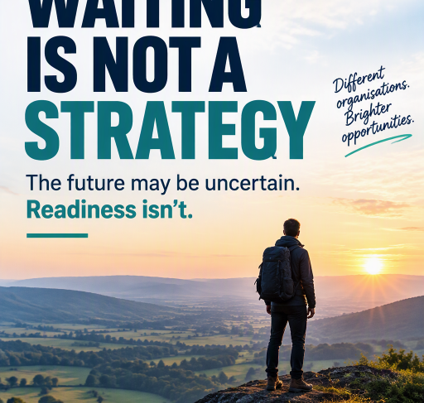
Nobody can predict exactly how neighbourhood health will evolve. What seems more certain is that the organisations most likely to thrive will not simply be those with the best technology or even the clearest strategy. They will be the organisations that use this period of uncertainty to strengthen the foundations beneath them and become more capable, credible and ready for whatever comes next.
The question, therefore, is not whether technology matters. It clearly does. The more interesting question is whether it is helping your organisation become the sort of organisation that others will want to work with, invest in and trust when the future finally arrives.
www.atscale.co.uk What we do – At Scale