Neighbourhood Readiness
One of the things I’ve learned over the years is that major changes in the NHS rarely arrive with a neat starting gun. There is no moment when somebody stands up and announces that the future has officially begun. More often, the landscape shifts gradually. New ideas emerge, relationships form, organisations start experimenting, and then almost without anyone noticing, some have moved significantly further ahead than others.
I find myself wondering whether neighbourhood health is creating exactly that kind of moment.
Across the country, practices, PCNs, federations, trusts and community providers are all trying to make sense of what comes next. The details remain uncertain, but the broad direction of travel is becoming harder to ignore. More care will need to be delivered through partnership, at greater scale and with greater coordination than many organisations have been used to in the past.
What is interesting is how differently organisations are responding to that uncertainty.
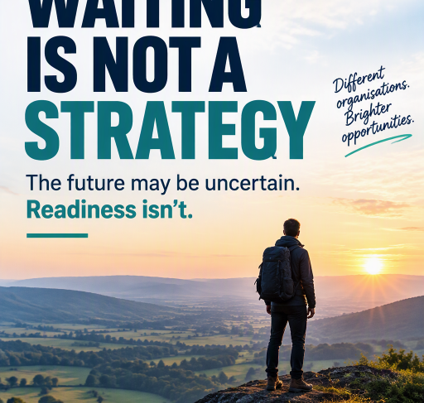
Is waiting really an option and what will it mean to local providers at PCN and GP Federation business.
Some are understandably waiting for greater clarity. Given the pace of change and the pressures leaders are already facing, that is a perfectly rational response. Why invest time and energy preparing for a future that may still evolve?
Others have reached a different conclusion. They have accepted that while they cannot predict the destination, they can make a reasonable judgement about the capabilities that will be needed when they get there. As a result, they are strengthening governance, investing in leadership, improving workforce visibility, building partnerships and becoming much clearer about how they demonstrate delivery and impact.
None of this work is particularly glamorous. It rarely generates headlines or conference presentations. In many ways it is simply the disciplined work of becoming a stronger organisation. Yet when you speak to leaders who have lived through previous waves of NHS reform, that is often where advantage comes from. Organisations rarely wake up one morning and discover they have suddenly become influential or trusted. Credibility is usually built through hundreds of small decisions made consistently over time.
That matters because neighbourhood health is unlikely to create capability out of thin air. More often, it will expose capability that already exists. When commissioners and partners begin looking for organisations that can lead services, coordinate delivery or manage risk at scale, they are unlikely to start with a blank sheet of paper. They will naturally gravitate towards organisations that already appear ready.
That is where the jeopardy sits.
Many organisations assume that because they have played an important role in the past, they will automatically play an important role in the future. I’m not sure we should take that for granted. Across England, organisations are already strengthening capabilities, building relationships and positioning themselves for a future that remains largely undefined. They are not waiting to discover whether they will have a role. They are making themselves difficult to overlook when opportunities emerge.
There is a quiet competition underway. Reputations are being formed, relationships are being strengthened and perceptions are being shaped. The organisations that eventually secure influence are often those that spent years becoming trusted before the opportunity appeared.
Nobody knows exactly how neighbourhood health will unfold. But I suspect that when we look back, the organisations that benefited most from this period will not be those that understood the policy best. They will be the organisations that recognised readiness was becoming a competitive advantage and acted accordingly.
To have a chat about your PCN, GP Federation development and readiness drop me a line at mike.gill@atscale.co.uk www.atscale.co.uk
#neighbourhoodreadiness#PCN #gpfederation #governance #assurance#contractreadiness